Composting at home is a fantastic way to reduce kitchen and garden waste while creating nutrient-rich soil for your plants. If you’re new to composting, it might seem a bit overwhelming at first, but with a few straightforward tips, you can start composting successfully and enjoy the benefits it brings. This guide will walk you through the basics and provide practical advice for beginners.
What is Composting?
Composting is the natural process of recycling organic material, such as food scraps and yard waste, into a rich soil amendment called compost. This process involves decomposition facilitated by microorganisms, worms, and insects. The finished compost improves soil health, boosts plant growth, and helps reduce the amount of waste sent to landfills.
Why Compost at Home?
– Reduces waste: Composting diverts food scraps and yard waste from the trash.
– Saves money: You spend less on fertilizers and soil conditioners.
– Improves soil: Compost adds nutrients and improves soil structure.
– Supports plants: Healthy soil helps plants grow stronger and resist pests.
– Eco-friendly: Composting reduces methane emissions from landfills.
Getting Started: Basic Composting Tips
1. Choose the Right Compost Bin or Pile
You can compost in various ways:
– Compost bin: These are enclosed containers that contain the compost material and help retain moisture and heat.
– Compost tumbler: A rotating bin that makes turning the compost easier.
– Open pile: Simply a designated spot in your yard where you pile compost materials.
Pick the option that fits your space, budget, and lifestyle. Bins and tumblers are good for smaller spaces or if you want a tidier setup.
2. Know What to Compost
Compost needs a mix of “greens” and “browns”:
– Greens (nitrogen-rich): vegetable scraps, fruit peels, coffee grounds, grass clippings, fresh garden waste.
– Browns (carbon-rich): dry leaves, straw, shredded paper, cardboard, small branches.
Avoid composting meat, dairy products, oily foods, pet waste, and diseased plants as they can attract pests or cause odors.
3. Balance Greens and Browns
A good compost pile needs a balance of greens and browns, roughly a 2:1 ratio of browns to greens by volume. Browns add carbon and help absorb moisture, while greens provide nitrogen for decomposition. Too many greens can cause odor, and too many browns slow down the process.
4. Chop or Shred Materials
Smaller pieces break down faster. Try chopping vegetable scraps and shredding dry leaves or paper before adding them to your pile or bin. This increases the surface area for microbes to work on.
5. Keep It Moist and Aerated
The compost should be as damp as a wrung-out sponge. If it’s too dry, decomposition slows; if too wet, it can smell bad. Turn or mix the pile every 1–2 weeks to add oxygen and speed up breakdown.
Common Composting Problems and Solutions
– Bad smell: Usually caused by too much green material or poor aeration. Add more browns and turn the pile.
– Pests: Avoid meat, dairy, and oily foods. Use a closed bin if animals are a problem.
– Slow decomposition: Chop materials smaller, keep pile moist, and turn regularly.
– Pile too dry: Add water or more green materials.
Using Your Finished Compost
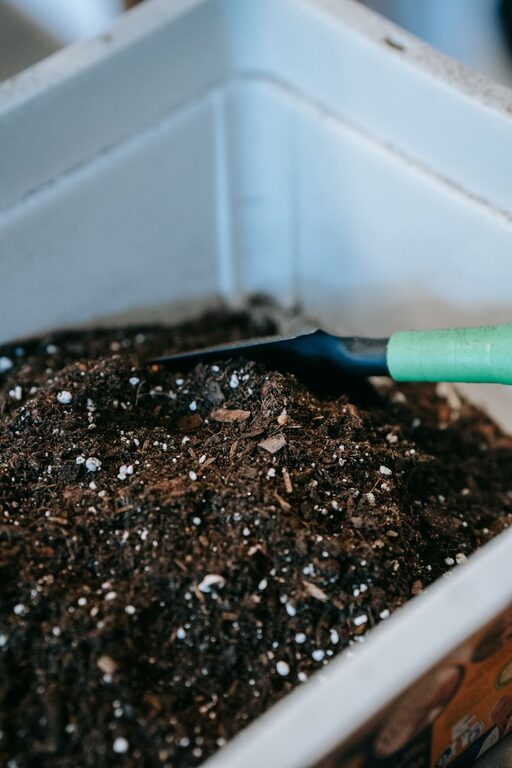
Compost usually takes 3-6 months to be ready, depending on conditions. Finished compost looks dark, crumbly, and smells earthy.
– Mix into garden beds to enrich soil.
– Use as mulch around plants.
– Add to potting mix for container gardening.
– Top-dress lawns for added nutrients.
Additional Tips for Beginners
– Place your compost bin in a convenient location with partial shade to retain moisture.
– Start small and gradually add more material as you get comfortable.
– Use a compost thermometer if you want to track the temperature (ideal range is 130–160°F).
– Consider worm composting (vermicomposting) if space is limited or you prefer indoor composting.
– Keep a small compost pail in the kitchen to collect scraps easily.
Conclusion
Composting at home is a rewarding activity that benefits your garden and the environment. By understanding the basics of what to compost, maintaining the right balance, and regularly turning and watering your pile, you’ll soon have rich compost to nourish your plants. Start small, be patient, and enjoy watching your waste transform into black gold!
Happy composting!
About the Author