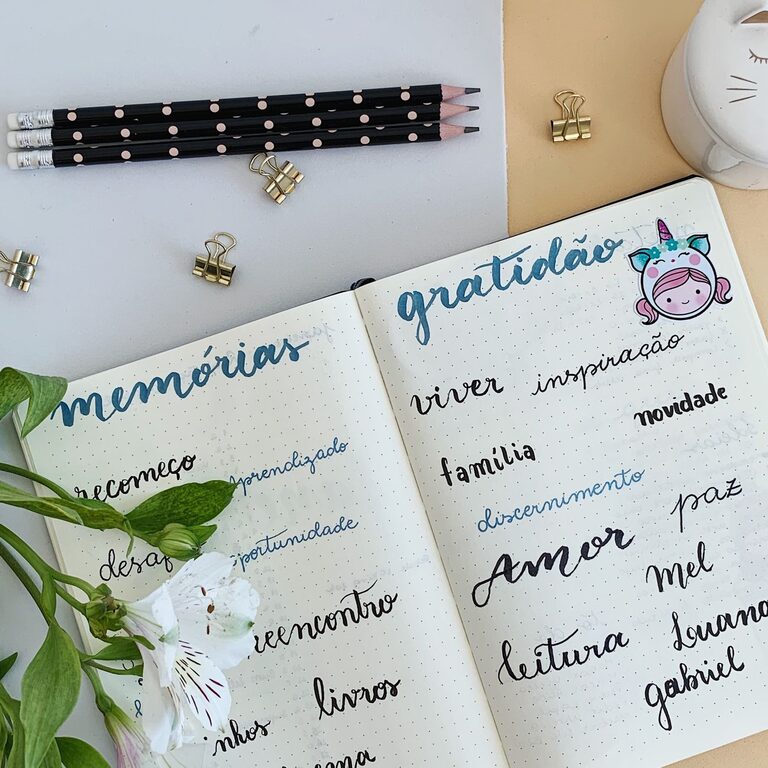
Starting a gratitude journal is a wonderful way to cultivate a more positive outlook on life and improve your overall well-being. Gratitude journaling helps you focus on the good things around you, big or small, which can boost happiness and reduce stress. If you’ve never kept a gratitude journal before, this guide will walk you through the basics and offer helpful tips to make the practice enjoyable and sustainable.
What Is a Gratitude Journal?
A gratitude journal is a dedicated notebook or digital document where you regularly write down things you feel thankful for. The goal is to reflect on positive experiences, moments, or people that bring joy and satisfaction. This practice encourages mindfulness and shifts your attention away from negativity.
Benefits of Keeping a Gratitude Journal
Before you start, it can help to know why gratitude journaling matters:
– Improved mood: Focusing on gratitude can lift your spirits and reduce feelings of anxiety.
– Better sleep: Reflecting on positive aspects of your day can promote more restful sleep.
– Increased mindfulness: Regular journaling encourages you to notice the present moment.
– Strengthened relationships: Recognizing the kindness of others can enhance your social connections.
– Greater resilience: Cultivating gratitude helps you cope better with challenges.
How to Start Your Gratitude Journal
1. Choose Your Journal
Pick a format that suits you best. You might prefer:
– A classic paper notebook with a design you enjoy.
– A digital journal app on your phone or computer.
– A simple document or note-taking app.
The key is choosing something accessible and inviting so you’ll use it regularly.
2. Set a Routine
Decide when to write in your journal. Many people find it helpful to do this:
– In the morning: To set a positive tone for the day.
– Before bed: To reflect on what went well during the day.
– At any quiet moment: Whenever you feel inspired.
Consistency matters more than timing. Even a few minutes daily can make a difference.
3. Start Small and Be Specific
Begin by writing down 3 to 5 things you’re grateful for each day. Try to be specific rather than general. For example, instead of “I’m thankful for my family,” try “I’m thankful for the funny conversation I had with my sister today.”
4. Use Prompts if You Need Help
If you find it hard to think of things to write, prompts can spark your gratitude. Here are some ideas:
– What made you smile today?
– What’s something kind someone did for you recently?
– What’s a simple pleasure you enjoyed today?
– Name a place where you feel calm and safe.
– What’s a personal strength you’re grateful for?
5. Include Different Types of Gratitude
Gratitude isn’t only about big events. You can include:
– People: Friends, family, coworkers
– Experiences: A walk in nature, a good meal
– Things: A cozy blanket, a favorite book
– Yourself: Your efforts, talents, or progress
– Challenges: What you’ve learned from difficulties
6. Keep It Positive but Realistic
Your gratitude journal doesn’t have to be perfect or overly optimistic. It’s okay to acknowledge hard times while still finding things to appreciate. The goal is to balance honesty with positivity.
Tips for Maintaining Your Gratitude Journal
– Make it enjoyable: Use colorful pens, stickers, or photos if that motivates you.
– Avoid judgment: Don’t worry about writing perfectly or comparing your list to others.
– Review regularly: Occasionally read past entries to remind yourself of positive moments.
– Be patient: Changes in mindset take time; keep journaling even if it feels challenging at first.
– Share your gratitude: Sometimes telling others what you appreciate strengthens relationships.
Common Mistakes to Avoid
– Writing out of obligation instead of genuine feeling.
– Listing the same things every day without variety.
– Using the journal solely to avoid difficult emotions.
– Getting discouraged if you miss a day—just pick it up again.
Final Thoughts
Starting a gratitude journal is a simple but effective way to bring more happiness and mindfulness into your daily life. With just a few minutes each day and a little practice, you can create a habit that uplifts your mood and deepens your appreciation for life’s blessings. Remember, the most important part is to be kind to yourself and enjoy the process.
Happy journaling!
About the Author