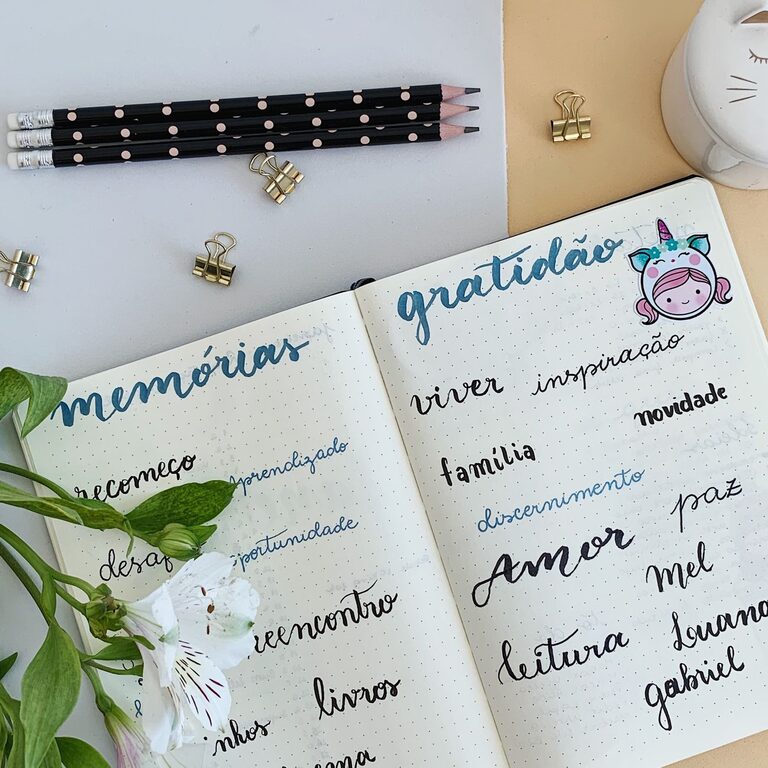

Journaling is more than just a way to record your daily activities; it’s a powerful tool that can help you gain clarity and stay focused in an often hectic world. Whether you’re feeling overwhelmed by your to-do list or seeking a clearer mental space, developing a consistent journaling habit can offer surprising benefits.
In this post, we’ll explore how you can journal specifically to enhance clarity and focus, sharing practical tips and methods that anyone can use.
Why Journaling Helps Clarity and Focus
Before diving into the techniques, it’s helpful to understand why journaling works for mental clarity and focus:
– Externalizing thoughts: Writing down your thoughts clears your mind and reduces mental clutter.
– Prioritizing tasks: A journal helps organize your goals and daily priorities visually.
– Tracking progress: Journaling allows you to reflect on what you’ve accomplished and adjust your plans.
– Emotional release: Expressing feelings on paper can reduce stress and improve concentration.
– Building mindfulness: The process encourages self-awareness and staying present.
With these benefits in mind, here are some effective journaling techniques tailored to clarity and focus.
Getting Started: Tips for Effective Journaling
Starting a journaling habit might feel daunting, but it doesn’t have to be complicated. Here’s how to begin:
Choose the Right Journal
– Pick a notebook or digital app that feels comfortable.
– Consider portability so you can journal anytime.
– Select a format that suits your style—lined, blank, or guided journals.
Set a Regular Time
– Consistency helps build habit; try journaling each morning or evening.
– Even 5-10 minutes daily makes a difference.
Create a Quiet Space
– Find a calm setting with minimal distractions.
– Use calming music or ambient sounds if it helps you concentrate.
Journaling Methods for Clarity and Focus
1. Morning Pages
Popularized by Julia Cameron, morning pages involve writing three pages of stream-of-consciousness first thing in the morning. This technique:
– Clears your mind of random thoughts.
– Helps identify what’s truly important.
– Encourages creativity and problem-solving.
How to do it:
– Write without stopping or editing.
– Let thoughts flow freely, even if they seem trivial.
– Don’t worry about grammar or structure.
2. To-Do List Journaling
Journaling your tasks helps prioritize and brings clearer focus to your day.
Steps:
– List your tasks, big or small.
– Assign priorities or time estimates.
– Reflect at day’s end to see what was accomplished.
3. Mind Dump
When your mind feels overloaded, try a mind dump—write down everything cluttering your thoughts.
Why it helps:
– Makes invisible worries visible.
– Prevents endlessly circling thoughts.
– Creates space for focusing on important items.
4. Reflective Journaling
Take a few moments to reflect on your day, thoughts, and feelings.
Questions to consider:
– What distracted me today?
– What helped me stay focused?
– What can I improve tomorrow?
5. Goal-Setting and Tracking
Writing down clear goals and tracking progress keeps your focus aligned.
Tips:
– Break goals into smaller, manageable steps.
– Use your journal to check in regularly.
– Celebrate small wins to stay motivated.
Structure Your Journal for Maximum Clarity
To make journaling more effective, organize your entries with simple headings or sections. For example:
– Date and Time: Keep track of when you write.
– Focus Area: Specify what you want clarity on.
– Thoughts: Stream of consciousness or mind dump.
– Tasks/Priorities: List key actions.
– Reflection: Insights or lessons learned.
Additional Tips to Enhance Your Journaling Practice
– Use prompts: When stuck, prompts like “What’s on my mind?” or “What is distracting me?” can help.
– Be honest: Authentic writing leads to deeper clarity.
– Avoid perfectionism: The goal isn’t polished writing but mental clarity.
– Combine with other habits: Pair journaling with meditation or breathing exercises.
– Review regularly: Look back at past entries to recognize patterns and growth.
Conclusion
Journaling for clarity and focus is a simple yet powerful practice anyone can adopt. By making space for your thoughts on paper, you clear mental clutter, prioritize tasks, and foster greater mindfulness. Whether you use morning pages, to-do lists, or reflective journaling, the key is consistency and honesty.
Give yourself permission to try different methods and find what works best. Over time, journaling can become an invaluable tool to help you navigate your day with intention and calm.
Happy journaling!
About the Author